

How Today’s Consumers Make Food Choices
Consumers demand healthy, tasty, ethically produced food with transparency and convenience, reshaping the food industry's approach to innovation.
March 28, 2024
Author: ICERTIAS Business Intelligence Unit
Reading time: 4 min
SHARE




• Health-conscious consumers prioritize products with minimal additives, seeking benefits from whole foods and plant-based diets.
• Taste remains critical; food manufacturers are challenged to create healthy options without compromising on flavor.
• Ethical production, including animal welfare and sustainable practices, increasingly influences consumers' purchasing decisions.
In the vast, vibrant world of food retail, where every shelf and online listing brims with possibilities, understanding the priorities that guide consumer choices has become crucial for the food industry. Today's consumers, equipped with information and driven by a blend of values, are reshaping the market in profound ways. The modern grocery shopper is looking beyond just price and convenience; they are influenced by a complex array of factors including health and nutrition, taste, sustainability, convenience, and transparency.
Health and Nutrition Take the Lead
At the forefront of consumer priorities is health and nutrition. This shift toward wellness has prompted a closer examination of labels as shoppers seek products with minimal artificial additives and reduced content of sugar, salt, and unhealthy fats. The interest in diets rich in whole foods and plant-based ingredients has never been higher, with many consumers integrating vegetarian or vegan meals into their routines not just for health, but also ethical reasons. Functional foods, those containing beneficial additives like probiotics or antioxidants, are also on the rise, as consumers aim to boost their health through their dietary choices.
The Unwavering Demand for Deliciousness
Despite a pronounced tilt towards health-conscious eating, taste remains non-negotiable. The challenge and opportunity for food manufacturers lies in creating products that do not sacrifice flavor for nutrition. Innovations in natural flavorings and healthier preparation methods are bridging this gap, making it possible for consumers to enjoy the best of both worlds.
Ethical Considerations Shape Buying Habits
The environmental and ethical implications of food production are increasingly influencing consumer choices. There’s a growing demand for products that ensure animal welfare, use sustainable farming practices, and support fair trade. Certifications such as organic, fair trade, and non-GMO are not just labels but symbols of trust and alignment with consumer values.
Convenience Reimagined
While the desire for convenience in food purchases remains strong, what constitutes convenience has evolved. The rise of meal kits and prepared food services offering healthy, quick options reflects this change. Additionally, the surge in online grocery shopping exemplifies how digital solutions can blend convenience with variety and quality.
Transparency Builds Trust
In an era marked by food scandals and misinformation, transparency has become a currency of trust. Consumers are demanding clear, straightforward information about where their food comes from, how it's made, and what it contains. This desire for openness is leading food companies to be more forthcoming about their practices, fostering a deeper sense of loyalty among their customers.
Price: A Balanced Consideration
Although price sensitivity remains a factor, especially in uncertain economic times, many consumers are willing to pay a premium for food that meets their standards for health, sustainability, and ethical production. The willingness to invest more in food that aligns with personal values highlights a significant shift in consumer behavior.
Looking Ahead: The Industry’s Response
The food industry is at a crossroads, facing the challenge of meeting these diverse and often demanding consumer preferences. Success hinges on the ability to innovate and offer products that fulfill the desire for healthful, tasty, ethically produced, and convenient food options. Transparency and engagement with consumers will be key in building and maintaining trust.
As we navigate the future, it’s clear that the factors influencing consumer food choices are richer and more varied than ever before. The path forward for the food industry is to listen and adapt to these evolving preferences, ensuring that what ends up on the store shelves and in online carts not only satisfies the palate but aligns with the broader values and concerns of today’s consumer. In this dynamic landscape, the brands that understand and respond to the multifaceted nature of consumer preferences will be the ones that thrive.
Top 10 Insights: How Do Today's Consumers Decide on Their Food Purchases?
- Health Leads Choice
Nutritional labels guide health-conscious shopping decisions. - Organics Gain Favor
Organic foods perceived as safer, more beneficial. - Ethical Choices Matter
Sustainability, fair trade drive purchases. - Taste Remains King
Flavor paramount, even in health foods. - Plant-Based Popularity
Meat alternatives increasingly popular. - Convenience Wins
Ready meals, online shopping preferred for ease. - Transparency Builds Trust
Ingredient sourcing clarity attracts consumers. - Price Conscious Shopping
Cost still influences buying habits. - Quality Defines Selection
High-quality ingredients are crucial. - Value for Satisfaction
Balanced cost, quality, and service lead to loyalty.
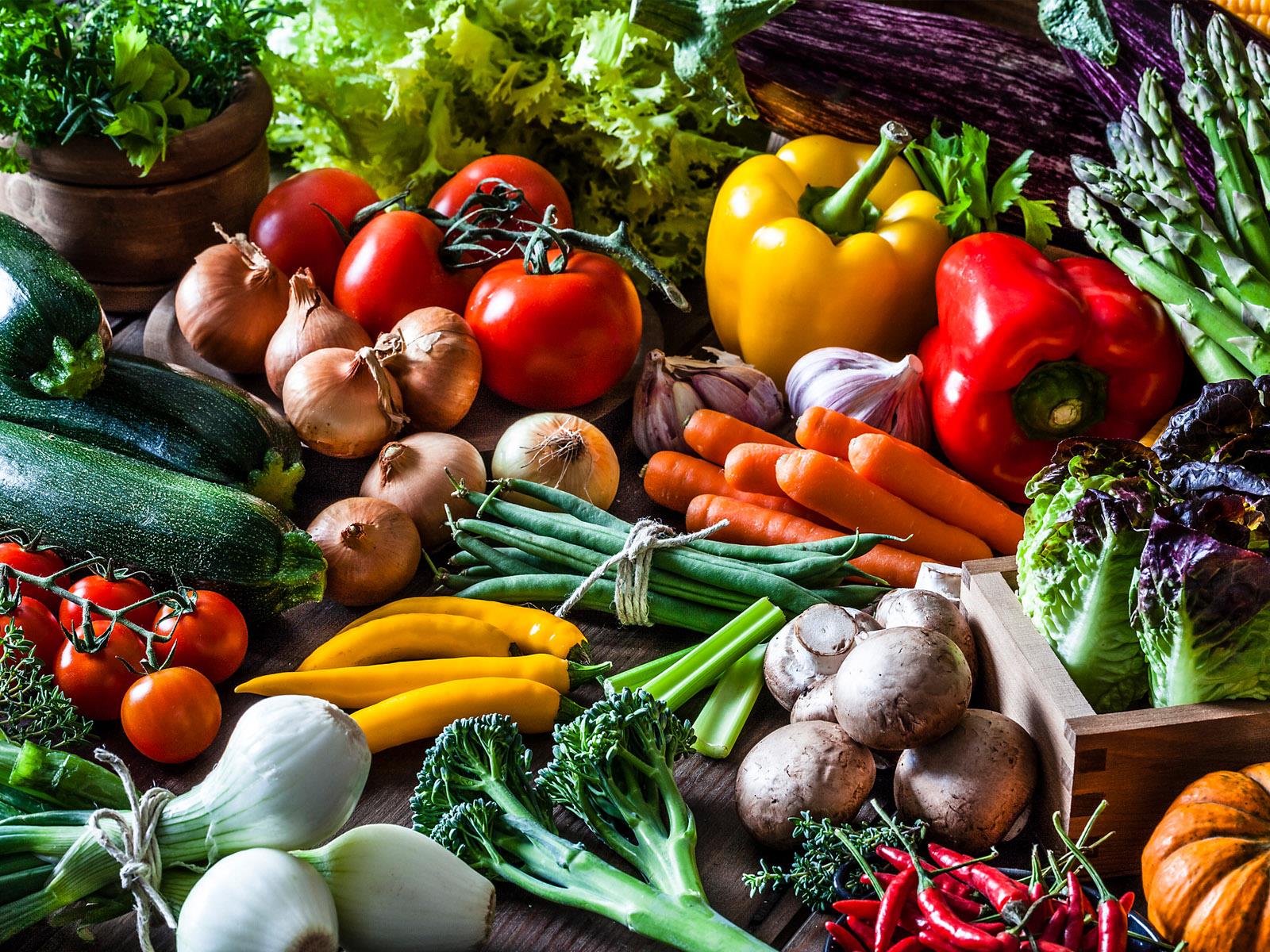
Many people now prefer diets rich in whole foods and plants, adopting vegetarian or vegan meals for both health and ethical reasons.