

Next-Gen Cars: Technology Meets Sustainability
The industry adapts through electrification, digital connectivity, sustainability, and adapting to the evolving expectations of consumers.
March 26, 2024
Author: ICERTIAS Business Intelligence Unit
Reading time: 4 min
SHARE




• Consumers demand connected, high-quality vehicles with digital features and safety technologies.
• New market entrants challenge traditional automakers, necessitating strategy revisions for competitiveness.
• Mobility as a service (MaaS) emerges, changing ownership models and reducing urban congestion.
The automotive industry is in a state of unprecedented transformation. Evolving consumer demands, technological advancements, and the looming specter of economic uncertainty have forced car manufacturers to reimagine the entire customer journey, from initial consideration to long-term ownership.
In an era of rapid technological advancement and shifting consumer values, the automotive industry stands at a crossroads. The priorities of car buyers have evolved, encompassing a range of considerations from environmental impact and technological connectivity to value for money and customer service. As we navigate through 2024, several key trends have emerged, reshaping the landscape of car manufacturing and the broader automotive sector.
Electrification and Environmental Concerns
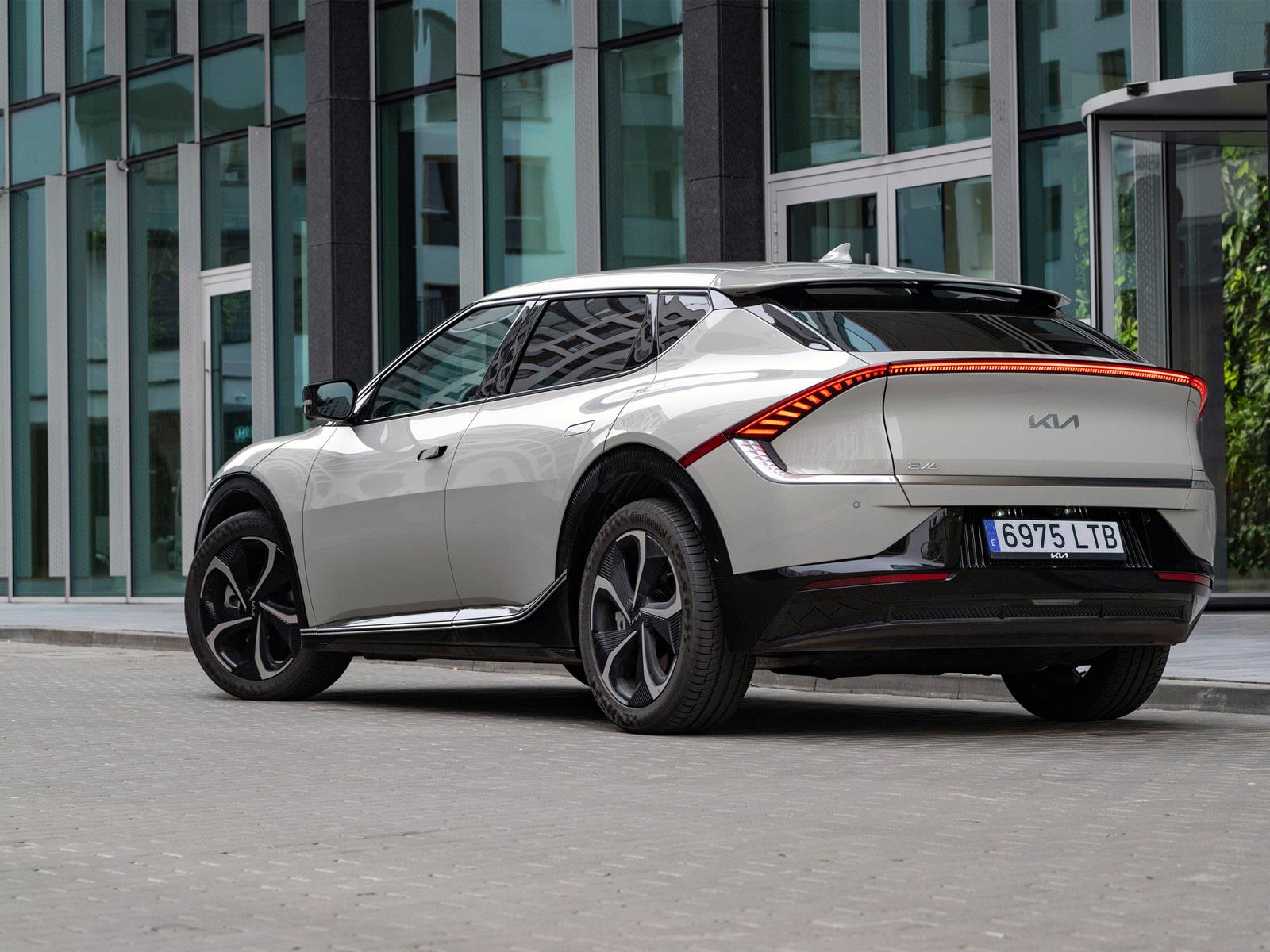
The tide has turned in favor of electric vehicles (EVs) and hybrids, driven by a growing environmental consciousness among consumers and a desire to reduce reliance on fossil fuels. The appeal of electric and hybrid vehicles has been further bolstered by improvements in battery technology, which have increased range and reduced charging times. However, the adoption of EVs faces challenges, including high interest rates, elevated prices, and concerns over charging infrastructure. Despite these hurdles, the push toward electrification is a clear indicator of where consumer preferences are headed.
The likelihood of electric vehicles (EVs) overtaking fossil fuel cars within the next 5 to 10 years is significant, driven by advancements in battery technology, increasing environmental awareness, supportive government policies, and expanding charging infrastructure. However, challenges such as high prices, range anxiety, and the need for more global charging points could temper the pace of adoption, making the transition gradual yet inevitable as these issues are progressively addressed.
In the next 10 years, hybrid technologies and electric vehicles (EVs) are likely to dominate as transitional and preferred choices, respectively, due to ongoing advancements in battery technology and global emissions regulations. Within 20 years, the scale tips significantly towards EVs as the predominant technology, bolstered by improvements in infrastructure, decreased battery costs, and increased consumer acceptance. Although hybrids serve as a bridge, the ultimate shift towards full electrification is inevitable. Alternative technologies like hydrogen fuel cells may emerge as significant players, but EVs hold the greatest potential for mainstream adoption, aligning with global sustainability goals and technological innovations.
Technological Integration and Connectivity
Today's car buyers are looking for more than just a means of transport; they seek a connected experience that integrates seamlessly with their digital lives. Features like Apple CarPlay, Android Auto, real-time navigation, and over-the-air software updates have become standard expectations. This digital integration extends beyond entertainment and convenience, encompassing safety features such as automatic emergency braking, lane departure warnings, and blind-spot monitoring. The rise of autonomous driving technologies, though still in its nascent stages, is also on the radar of forward-thinking consumers.
The Price-Quality Equation
In the current economic climate, marked by inflation and interest rate fluctuations, price remains a pivotal factor for consumers. Yet, there's a discernible shift towards valuing quality and longevity over upfront costs alone. Buyers are increasingly willing to invest in vehicles that promise lower lifetime costs, whether through fuel efficiency, reduced maintenance requirements, or longevity. This is evident in the growing interest in hybrid vehicles, which offer a compromise between the familiarity of traditional engines and the benefits of electrification.
Customer-Centric Strategies
The automotive industry's approach to customer service and post-sales support has undergone a significant transformation. Consumers now expect a personalized, seamless experience that doesn't end at the point of sale. This includes proactive maintenance services, omnichannel support, and a customer-centric culture that prioritizes the needs and preferences of the buyer. Automakers are leveraging data analytics and connected car technologies to offer predictive maintenance, enhancing the ownership experience and ensuring customer loyalty.
The Global Landscape and Competitive Dynamics
The entry of new players from emerging markets, particularly China and India, is introducing a fresh dynamic to the global automotive industry. These competitors are challenging established brands with vehicles that rival their quality at competitive price points. This trend is forcing traditional automakers to reevaluate their strategies, from product development to market positioning, in order to maintain their competitive edge.
Looking Ahead
As we move further into 2024, the automotive industry must navigate a complex array of consumer expectations and global market trends. The focus on electrification, coupled with advancements in vehicle connectivity and autonomous driving technologies, is setting the stage for a radical transformation of the automotive landscape. At the same time, the industry must address the practical concerns of price sensitivity and the demand for high-quality, sustainable vehicle options.
The manufacturers that will thrive in this evolving environment are those that can adapt to these changing consumer preferences while maintaining a commitment to innovation, sustainability, and customer-centricity. The path forward will require a delicate balance between advancing technology, environmental stewardship, and delivering value to consumers—not just in terms of product quality but through the entire vehicle ownership experience.
As the industry continues to evolve, one thing is clear: the future of car manufacturing will be shaped by the ability to meet the demands of a more connected, environmentally conscious, and discerning consumer
base. The winners in this landscape will be those who not only embrace these trends but also anticipate and shape the future of mobility."
This comprehensive transformation encompasses not just the vehicles themselves but the entire ecosystem surrounding automotive manufacturing and ownership. It extends to the development of smart cities, where vehicles communicate with each other and with infrastructure to optimize traffic flow, reduce emissions, and improve safety. It involves the evolution of retail models, where online sales and virtual showrooms become as commonplace as traditional dealerships, offering consumers a more flexible and personalized buying experience.
Moreover, the shift towards a more sustainable and technologically integrated automotive industry reflects broader societal changes. As consumers increasingly prioritize sustainability, companies across all sectors are being pushed towards more environmentally friendly practices. In the automotive sector, this is not just about producing electric vehicles but also about rethinking manufacturing processes, materials, and the entire supply chain to minimize environmental impact.
The rise of mobility as a service (MaaS) further illustrates the changing landscape. With the growth of ride-sharing and car-sharing platforms, ownership models are evolving. For some, the convenience and cost-effectiveness of access over ownership, coupled with environmental considerations, make MaaS an attractive alternative to personal car ownership. This trend could lead to a decrease in the number of cars on the road, reducing traffic congestion and emissions.
The automotive industry is at the forefront of a shift towards a more sustainable, technologically advanced, and consumer-centric future. This transformation is driven by a combination of technological innovations, changing consumer priorities, and the imperative to address environmental challenges. As we look towards the future, the industry's ability to adapt and innovate in response to these dynamic forces will determine its success in meeting the needs of the next generation of consumers. The journey ahead promises to be both challenging and exciting, with the potential to redefine our relationship with cars and mobility at large.
Today's car buyers are looking for more than just a means of transport; they seek a connected experience that integrates seamlessly with their digital lives.