

Why Fresh Is the New Trust Currency in 2026
In an economy shaped by inflation, health anxiety, and brand skepticism, freshness has become a practical signal of trust, value, and quality
SHARE




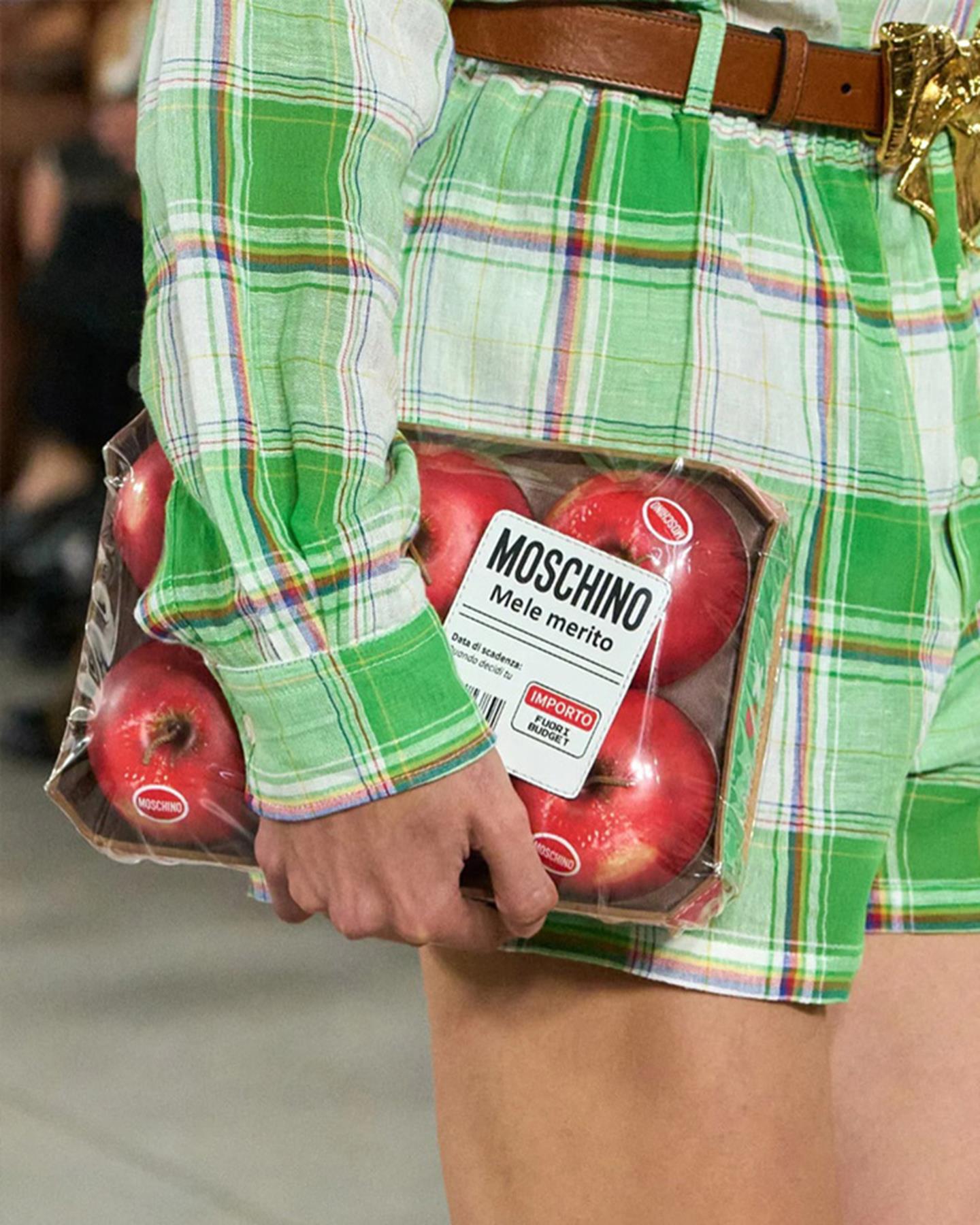
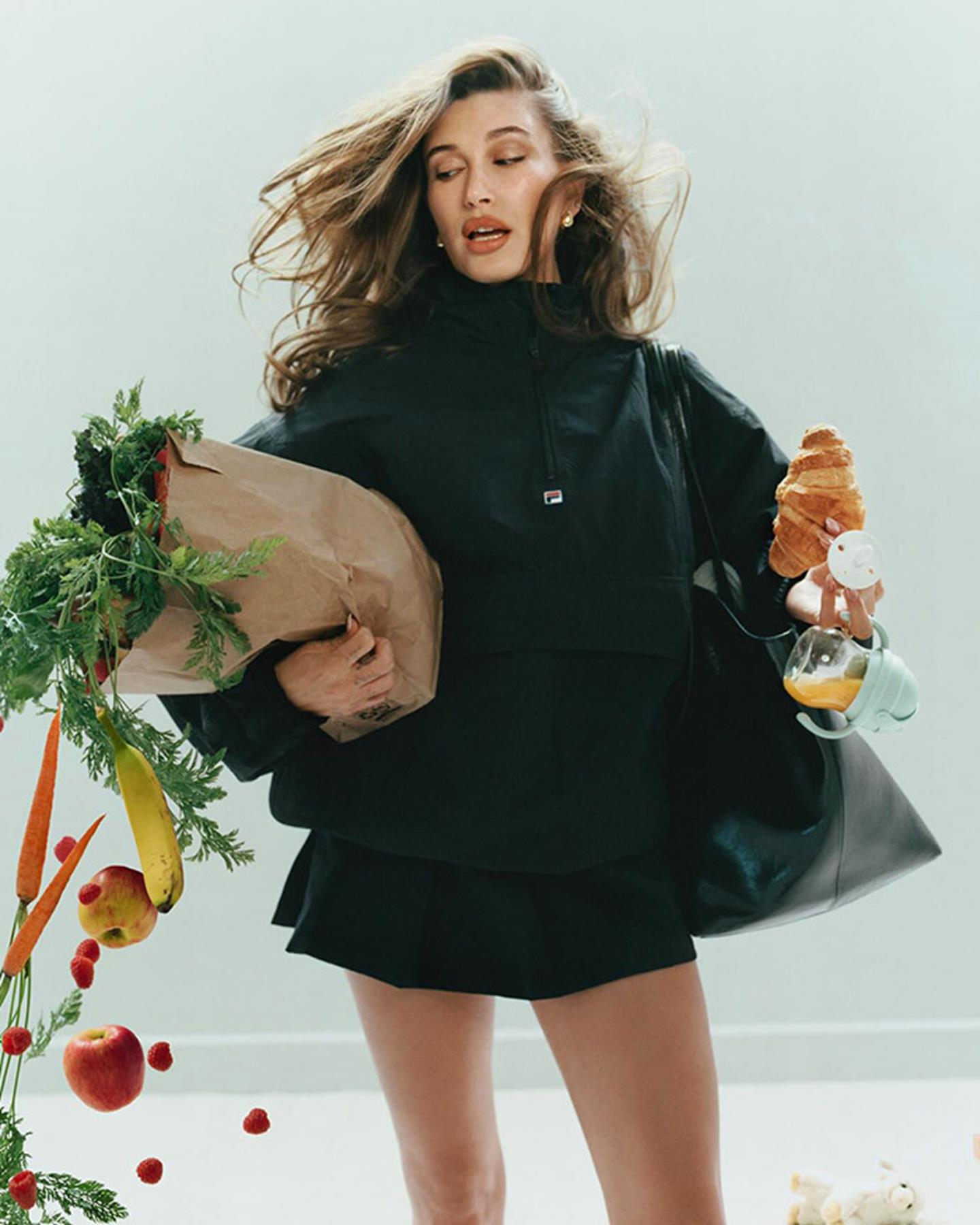
• Moschino selling apple-shaped handbags above 2,000 dollars and Hailey Bieber posing with produce show how fresh food has moved into mainstream status symbol territory
• In 2026, consumers face too many products, claims, and prices, so freshness works as a fast trust signal that reduces hesitation and supports better decisions
• When fresh products look, smell, or feel right, shoppers often assume they are safer, healthier, and better, making freshness a real driver of purchase confidence
• As food, health, and time grow more expensive, fresh groceries behave like affordable luxury, giving consumers a small but visible signal of status and quality
Fresh food is the new status symbol. Moschino sells a handbag shaped like a pack of fresh apples for more than 2,000 dollars. Hailey Bieber poses for photoshoots holding fresh fruit and vegetables. The same fashion houses once celebrated junk food as ironic luxury. In 2014, Moschino launched a McDonald's collaboration with handbags styled like fast food trays. Back then, junk food signaled that the elite could eat without consequences and still seem relatable.
The aesthetic has flipped. In the United States, food prices and especially fresh groceries have risen significantly over the past five years, putting real pressure on household budgets. In the United Kingdom, food theft has become so severe that supermarkets are losing billions, and basic groceries are now stored behind locks and security barriers. When everyday food becomes a financial strain, fresh produce becomes aspirational.
Aesthetics of aspiration always mirror the economy. Junk food was playful when business was booming. Fresh groceries become luxury when households feel pressure. In the 18th century, wealthy Europeans carried pineapples to display their status. Today, the logic returns. The latest tablescaping trend replaces flowers with fresh fruit and vegetables. Luxury brands are filling campaigns with grocery imagery. Bougie outlets have declared 2026 the year of the cabbage. The pineapple of the 1700s and the cabbage of 2026 follow the same rule: when food gets expensive, food becomes a flex.
This shift changes everything for consumers, retailers, and producers. Fresh is no longer a category. Fresh is a signal of trust, health, value, and status. The following ten takeaways explain why "Fresh" is now the dominant word in the 2026 consumer economy, and how each side of the market should respond.
Top 10 Reasons Fresh Defines Consumer Behavior in 2026
Freshness has become an important trust signal in the 2026 consumer economy, shaping how producers, retailers, and shoppers think about value. The Top 10 reasons below explain why it now matters more than ever
1. Fresh Reduces Consumer Risk
In 2026, consumers face too many products, claims, prices, and health messages. “Fresh” gives them a fast shortcut. If something looks, smells, feels, or sounds fresh, people often assume it is safer, healthier, and better. For producers and retailers, this means freshness is not decoration. It is a trust signal that reduces consumer hesitation.
2. Fresh Means Healthier Living
Fresh is strongly linked with health, energy, and clean living. In February 2026, The Guardian reported that UK shoppers started 2026 by buying more fruit, yogurt, poultry, and fresh fish, with fresh fruit volumes up 6 percent year on year. This shows that freshness is part of a wider 2026 health reset, not only a food trend.
3. Fresh Justifies Better Prices
In 2026, consumers are price-sensitive, but they still pay more when value is visible. Fresh products can justify higher prices because buyers can see the quality through color, smell, texture, taste, or preparation. Producers should make freshness measurable. Retailers should make it visible. Consumers should pay more only when the freshness is real, not cosmetic.
4. Fresh Protects Against Price Wars
Retailers cannot build a strong 2026 strategy only on low prices. McKinsey’s “State of Grocery Retail Europe 2026”, published in April 2026, says European grocery faces low growth, rising costs, and margin pressure. Fresh food helps retailers defend themselves because it creates traffic, loyalty, and differentiation that pure price competition cannot easily copy.
5. Fresh Extends Beyond Food
Fresh is no longer only about fruit, vegetables, bread, meat, or fish. In 2026, it also appears in beauty, home care, fashion, hotels, apps, data, and design. Consumers want a fresh look, fresh scent, fresh home, fresh start, and fresh interface. Producers should understand this wider language. Retailers should apply it across the whole shopping experience.
6. Fresh Must Be Proven
In 2026, “fresh” must be more than a nice word on packaging. Producers need proof: fresher ingredients, shorter supply chains, better storage, faster delivery, cleaner formulas, or stronger quality control. Retailers need hygiene, rotation, cold chain discipline, and trained staff. Consumers should check origin, shelf life, ingredients, price per unit, and whether the product will actually be used.
7. Fresh Creates Emotional Control
Freshness helps consumers feel that life is under control. In 2026, people are dealing with inflation, health anxiety, digital overload, and uncertainty. Fresh bread, fresh fruit, fresh sheets, fresh air, or a fresh room gives a small feeling of order and renewal. Brands that understand this sell emotional relief, not only functional products.
8. Fresh Supports Wellness Innovation
NielsenIQ’s March 2026 analysis of Expo West 2026 said food, beverage, and wellness are moving toward metabolic health, functional performance, ingredient integrity, protein, fiber, and gut-aligned products. This supports the broader point: freshness now connects with wellness, function, and trust. Producers should link fresh claims to real benefits, not vague lifestyle language.
9. Fresh Can Become Quiet Luxury
In 2026, fresh groceries can also signal status. When good food, health, and time become expensive, beautiful fresh produce and high-quality everyday food become aspirational. The Financial Times reported in early 2026 that premium grocery products are behaving like a small “lipstick effect” in food retail. Fresh can therefore become affordable luxury.
10. Fresh Is a Business System
The main lesson for 2026 is simple: freshness is a business system, not a slogan. Consumers should use freshness wisely, without being naive. Producers should define and prove it. Retailers should make it operationally real in stores and online. The winners will be those who turn fresh into trust, value, health, emotion, and repeat purchase.
The Strategic Meaning of Fresh
Freshness has become one of the clearest signals in the 2026 consumer economy because it speaks to several anxieties at once. It answers the health question, the value question, the trust question, and increasingly, the status question. In a market full of claims, labels, price changes, and competing narratives, “fresh” gives consumers something simple to believe in. It feels immediate. It feels human. It feels less manufactured.
This is why the rise of fresh cannot be understood only as a food trend. It is a broader market language. Fresh fruit, fresh air, fresh design, fresh data, fresh scent, fresh home, and fresh perspective all point to the same deeper need: the desire for renewal in a tired economy. Consumers are not only buying products. They are buying small signals that life is still manageable, clean, healthy, and under control.
From Product To Signal
For producers, freshness is now a strategic asset, but only if it is credible. A brand cannot simply add green colors, water drops, citrus imagery, or the word “fresh” and expect long-term trust. In 2026, consumers are more skeptical, regulators are more alert, and competitors are faster. Freshness must be supported by better ingredients, shorter supply chains, clearer claims, stronger quality control, and a product experience that confirms the promise.
For retailers, the lesson is even more operational. Freshness is not only a department. It is the visible proof of store competence. A strong fresh offer tells shoppers that the retailer can manage quality, hygiene, speed, sourcing, rotation, and care. That matters because fresh categories bring people into physical stores, create repeat visits, and help retailers escape the weakest position in the market: competing only on price.
The New Consumer Logic
For consumers, the opportunity is to use freshness intelligently. Fresh can be a good signal, but not a perfect one. Real value comes when freshness is matched with quality, need, price discipline, and actual use. A beautiful fresh product that is wasted is not value. A fresh-looking product that is badly sourced is not trust. A premium fresh offer that offers no real benefit is only expensive theater.
The deeper point is this: freshness has become “in” because consumers are searching for visible proof of better living. In earlier periods, aspiration could be playful, ironic, excessive, or detached from everyday reality. In 2026, aspiration has become more practical. It looks like health. It looks like control. It looks like food that feels clean, spaces that feel renewed, and products that feel honest.
Fresh is therefore not a slogan. It is a market discipline. The winners will be the companies that understand freshness as a complete system: sensory, emotional, operational, financial, and cultural. The losers will be those that treat it as a decorative word on packaging.
Fresh now extends beyond food into beauty, fashion, hotels, and design, becoming a quiet luxury and status signal